
The Japanese zester aesthetic, a captivating blend of minimalism and nature-inspired design, is rapidly gaining traction in contemporary design spheres. More than just a visual trend, it embodies a philosophy of harmony and serenity, drawing inspiration from centuries of Japanese artistry and cultural values. This style prioritizes the use of natural elements, thoughtful spatial arrangements, and exquisite craftsmanship, creating a unique and deeply engaging experience.
This exploration delves into the core principles underpinning the Japanese zester aesthetic. From its historical roots to its modern applications in various design disciplines, we will examine its key visual elements, spatial considerations, cultural significance, and practical implications. Understanding this approach offers valuable insights into its enduring appeal and how it resonates with contemporary sensibilities.
Defining the Aesthetic
The “Japanese zester aesthetic” is a contemporary style emerging from a fusion of traditional Japanese design principles with modern sensibilities. It emphasizes meticulous craftsmanship, subtle textures, and a refined sense of understated elegance. This approach prioritizes natural materials and a mindful appreciation for the beauty in imperfection. This aesthetic transcends mere visual appeal, aiming to evoke a sense of calm, tranquility, and mindful engagement with the environment.This aesthetic is not simply a revival of traditional Japanese aesthetics but a reinterpretation for a contemporary audience.
It draws on a rich tapestry of historical and cultural influences, incorporating elements of minimalism, wabi-sabi, and even aspects of modern design philosophy. The resulting style is unique, striking a balance between the familiar and the innovative.
Key Visual Elements
This style is characterized by a careful selection of materials and a meticulous attention to detail. Natural materials like wood, bamboo, stone, and paper are prominent, often showcasing their inherent textures and imperfections. Color palettes are typically muted and earthy, drawing inspiration from nature. Geometric patterns, often inspired by traditional Japanese art forms, can be subtly integrated.
The interplay of light and shadow is crucial, creating depth and dimension in minimalist settings. For example, a meticulously crafted wooden shelf, subtly aged, against a backdrop of muted gray, can embody the essence of the aesthetic.
Conceptual Elements
Beyond visual cues, the “Japanese zester aesthetic” prioritizes a mindful approach to design. It fosters a sense of calm and serenity, encouraging contemplation and appreciation for the present moment. This is often achieved through the intentional use of negative space, creating a sense of quietude and allowing for introspection. The beauty of imperfection is also valued, showcasing the natural aging and subtle variations in materials.
For instance, a simple, unadorned tea ceremony space, utilizing natural light and minimalist furnishings, can effectively embody the aesthetic.
Historical and Cultural Influences
The “Japanese zester aesthetic” draws inspiration from a confluence of Japanese cultural and historical influences. Traditional Japanese aesthetics, such as wabi-sabi, emphasizing the beauty of imperfection and natural processes, play a significant role. The concept of minimalism, a refined approach to design, is also a key influence. Modern design philosophies, incorporating a focus on sustainability and natural materials, further shape this contemporary interpretation.
The emphasis on craftsmanship and attention to detail are inherited from traditional Japanese arts and crafts. For instance, the careful construction of a traditional Japanese garden, with its meticulous arrangement of stones and plants, provides a clear example of these influences.
Key Differences from Related Aesthetics
| Aesthetic | Japanese Zester | Minimalist | Wabi-Sabi |
|---|---|---|---|
| Emphasis | Craftsmanship, subtle textures, understated elegance, mindful engagement | Simplicity, clean lines, functionality, negative space | Imperfection, natural beauty, asymmetry, transience |
| Color Palette | Muted, earthy tones, natural hues | Neutral colors, often monochromatic | Earthy, muted tones, often with hints of imperfection |
| Materials | Natural materials like wood, bamboo, stone, and paper, highlighting their natural variations | Clean lines, simple forms, often with modern materials | Natural, aged, and imperfect materials, embracing natural wear |
| Design Philosophy | Mindful, understated, appreciation for imperfection | Efficiency, functionality, and elegance in simplicity | Acceptance of impermanence, appreciating natural aging |
This table illustrates how the “Japanese zester aesthetic” distinguishes itself from other related styles, such as minimalism and wabi-sabi, by emphasizing a unique blend of these influences. It prioritizes a subtle, mindful approach to design, creating a space that is both visually appealing and conducive to introspection.
Key Visual Elements
The “Japanese zester aesthetic” draws inspiration from traditional Japanese design principles, infusing them with contemporary sensibilities. This results in a visually appealing and often calming aesthetic characterized by a harmonious blend of natural elements and refined minimalism. Its visual language transcends mere imitation, embodying a unique spirit that resonates with a global audience.This aesthetic relies heavily on a careful selection of color palettes, textures, and patterns, all working in concert to create a serene and inviting atmosphere.
The use of these elements reflects a deep understanding of how visual cues can evoke specific emotions and associations. By thoughtfully integrating these elements, the Japanese zester aesthetic effectively communicates a sense of tranquility, sophistication, and cultural heritage.
Color Palettes
The color palettes associated with the Japanese zester aesthetic are typically subdued and calming, drawing inspiration from nature. Earthy tones, such as muted greens, browns, and grays, are prevalent, often paired with soft pastels like blush pinks, lavender, and light blues. These hues create a sense of serenity and harmony, evoking feelings of peace and tranquility. Deep indigo and rich blacks are also employed strategically to add depth and sophistication to the overall design.
The key is the careful balancing of these colors to create a cohesive and visually appealing composition.
Textures and Materials
The Japanese zester aesthetic frequently employs a range of natural textures and materials. Woven textiles, such as bamboo, linen, and silk, are often featured, offering a sense of warmth and tactility. Natural wood, with its varying grain patterns, provides a grounding presence, often used in furniture or decorative elements. Stone, in its diverse forms and textures, adds a sense of permanence and elegance, appearing in accents or as a backdrop.
The combination of these materials creates a tangible connection to nature and craft.
Patterns and Motifs
Japanese zester aesthetics frequently utilize patterns and motifs inspired by traditional Japanese art forms. Floral patterns, often delicate and intricate, are commonly incorporated, conveying a sense of natural beauty and grace. Geometric patterns, with their clean lines and precise forms, provide a sense of order and structure. Traditional Japanese symbols and motifs, such as cherry blossoms, bamboo, and waves, add a cultural layer to the aesthetic, reflecting a deep connection to Japanese heritage.
These elements are strategically placed to enhance the visual narrative and create a meaningful connection between the design and the viewer.
Visual Hierarchy and Composition
The visual hierarchy and composition principles employed in the Japanese zester aesthetic emphasize balance and harmony. Negative space is often used strategically to create a sense of calm and openness. Focal points are highlighted through subtle variations in color, texture, or pattern, drawing the eye to specific elements without overwhelming the overall design. Symmetry and asymmetry are sometimes employed, creating a dynamic interplay between order and spontaneity.
The use of these principles results in a well-structured and visually engaging composition.
| Visual Element | Description | Example | Impact |
|---|---|---|---|
| Color Palette | Subdued, natural tones | Muted greens, browns, grays, soft pastels | Evokes serenity and harmony |
| Texture/Material | Natural materials | Woven textiles, wood, stone | Connects to nature and craft |
| Patterns/Motifs | Traditional Japanese designs | Floral, geometric, cultural symbols | Adds cultural depth and visual interest |
| Hierarchy/Composition | Balance and harmony | Strategic use of negative space, focal points | Creates a well-structured and visually engaging composition |
Spatial Considerations
The Japanese zester aesthetic prioritizes harmony and a deep connection with the natural world, extending beyond the visual to encompass the spatial experience. This translates to a thoughtful arrangement of elements that creates a sense of tranquility and well-being. Careful consideration of space, light, and natural elements are key to achieving this distinctive atmosphere.Japanese spatial design often prioritizes creating a sense of spaciousness even in limited areas.
This is achieved through clever use of negative space, strategic placement of furniture, and the incorporation of elements that visually expand the room. The focus on minimalism and simplicity contributes to this overall sense of calm and openness.
Principles of Space Utilization
The Japanese zester aesthetic champions a minimalist approach to space utilization. Maximizing the potential of a space through careful arrangement and strategic use of negative space is paramount. Furniture is often selected for its simplicity and functionality, emphasizing its role as a tool for enhancing the environment rather than dominating it. The principle of “Ma,” or negative space, plays a critical role in creating a sense of balance and harmony.
This concept of intentional emptiness allows for visual breathing room and emphasizes the natural flow of energy within the space.
Typical Use of Lighting
Natural light is highly valued in Japanese zester spaces, often prioritized over artificial light. The soft, diffused glow of natural light is considered ideal, promoting a sense of calm and connection with the outdoors. Strategically placed windows, and large, unobscured openings allow for ample natural light penetration, enhancing the sense of openness and serenity. Japanese design often employs subtle lighting techniques to accentuate architectural features and enhance the ambiance, rather than overwhelming the space with harsh or glaring artificial light.
Incorporation of Natural Elements
The Japanese zester aesthetic emphasizes the integration of natural elements into the spatial design. Plants, stones, and wood are frequently incorporated to create a seamless transition between the interior and the surrounding environment. The use of natural materials, like bamboo, wood, and stone, is common, adding warmth, texture, and a sense of connection to nature. The incorporation of these natural elements isn’t just decorative; it fosters a feeling of harmony and tranquility.
Landscaping that mirrors the interior aesthetic is also common, extending the natural ambiance outside the home.
Comparison with Western Design Principles
| Aspect | Japanese Zester Aesthetic | Western Design Principles |
|---|---|---|
| Space Utilization | Emphasizes negative space (Ma) and minimalist furniture to maximize perceived space. | Often focuses on filling space with furniture and decor to create a sense of fullness. |
| Lighting | Prioritizes natural light and subtle artificial lighting to create a calm ambiance. | May utilize more pronounced artificial lighting to highlight specific features or create dramatic effects. |
| Natural Elements | Intentionally integrates natural materials and elements to create a connection with nature. | May incorporate natural elements but not always with the same emphasis on integrating them into the overall design scheme. |
| Color Palette | Typically uses muted, earthy tones and natural colors. | May incorporate a wider range of colors, often more vibrant or bold. |
Cultural Significance
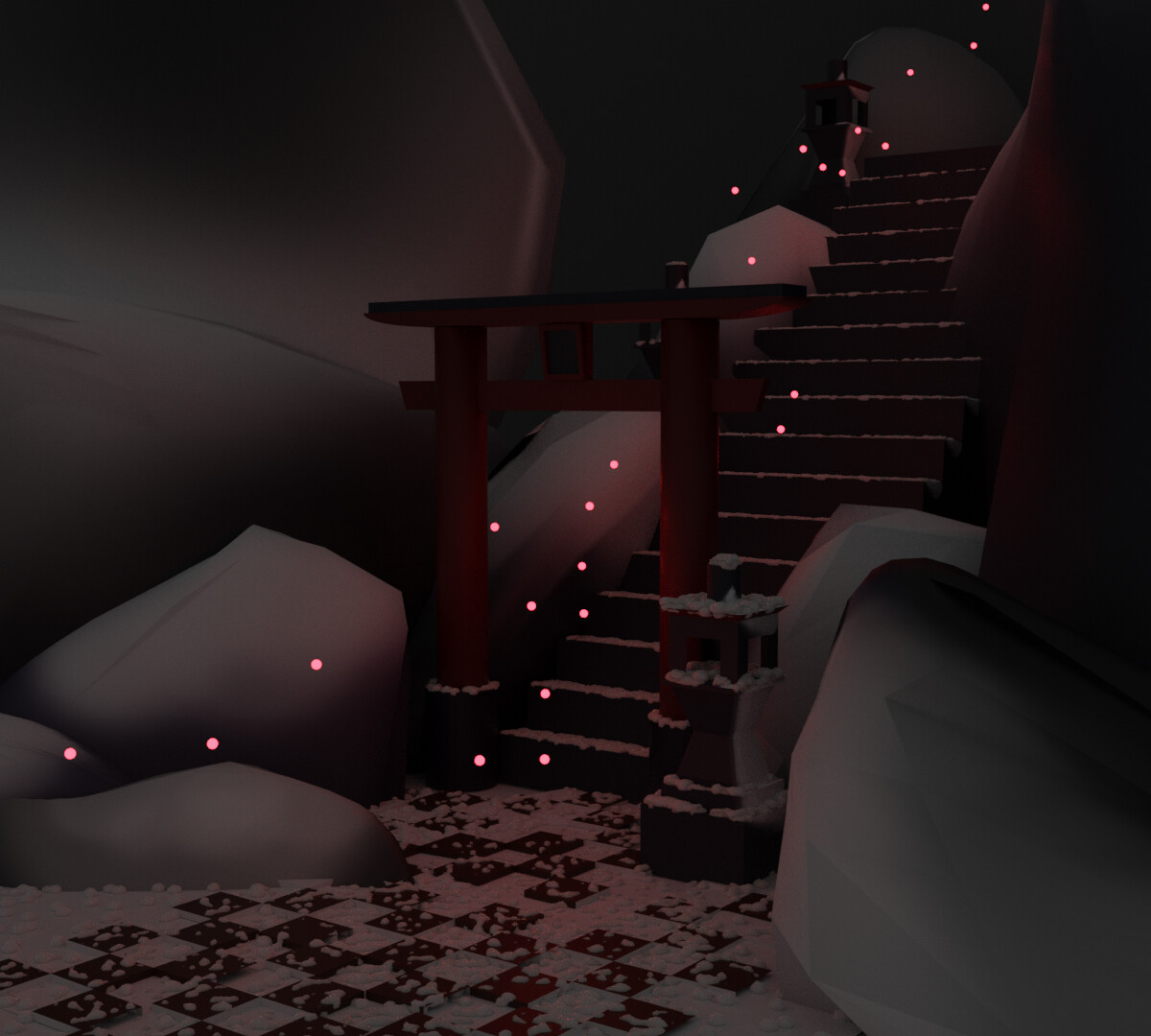
The Japanese zester aesthetic, a contemporary interpretation of traditional Japanese design principles, draws deeply from the nation’s rich cultural heritage. It’s a fusion of ancient wisdom and modern sensibilities, reflecting a profound respect for nature, meticulous craftsmanship, and a philosophy of harmony with the environment. This aesthetic transcends mere visual appeal; it embodies a way of life, imbued with centuries of cultural evolution.The essence of the Japanese zester aesthetic lies in its thoughtful integration of natural elements, a philosophy that emphasizes the beauty found in imperfection and the transience of life.
This is reflected in the aesthetic’s meticulous attention to detail, mirroring the cultural emphasis on craftsmanship and tradition. The resulting design often evokes a sense of tranquility and mindfulness, a powerful testament to the enduring cultural values that shape Japanese artistry.
Natural Elements in Japanese Design
Japanese design, across various disciplines, has long celebrated natural elements. The interplay of light and shadow, the seasonal changes in foliage, the subtle nuances of water, and the rugged beauty of mountains are all recurring motifs. These elements are not simply depicted; they are incorporated into the design to evoke a sense of place, time, and the profound interconnectedness of life.
The aesthetic draws inspiration from the beauty found in natural forms, striving to capture the essence of nature’s fleeting moments and enduring cycles. For example, the use of bamboo in architecture and interior design embodies both strength and flexibility, mirroring the resilience of nature.
Craftsmanship and Tradition
The Japanese zester aesthetic is deeply rooted in the country’s rich tradition of craftsmanship. Master artisans, steeped in generations of knowledge and skill, meticulously craft each piece, imbuing it with a sense of history and enduring quality. This meticulous attention to detail and the preservation of traditional techniques are vital components of the aesthetic. The value placed on the hand-crafted object and the dedication to its creation resonates deeply with Japanese culture, demonstrating the enduring appreciation for skill and tradition.
Examples include the use of traditional Japanese woodworking techniques, such as joinery and inlay, to create furniture and decorative objects.
Philosophy and Principles
The Japanese zester aesthetic is rooted in the philosophy of
- wabi-sabi*. This concept embraces the beauty of imperfection, the transience of life, and the acceptance of impermanence. It celebrates the natural beauty of objects as they age and develop unique character. It’s a celebration of the aesthetic quality of things in their natural state, without excessive embellishment. A cornerstone of the aesthetic is the concept of
- shibui*, which embodies a sense of quiet elegance, austerity, and restraint. It is a feeling that emerges from a careful consideration of the interplay of light, shadow, and texture. This approach highlights the beauty found in simple, unadorned forms.
Historical Evolution
The historical evolution of these concepts is a fascinating journey through time. From the Zen gardens of ancient monasteries to the meticulously crafted tea ceremonies, these ideas have been deeply ingrained in Japanese culture for centuries. The aesthetic reflects the continuous evolution of these ideas and their adaptation to contemporary sensibilities. For example, the integration of modern materials with traditional techniques is a hallmark of this evolution, showcasing a continued commitment to craftsmanship while embracing innovation.
The concept of
ma*, or space, is also crucial, and it evolved from the historical emphasis on creating serene and balanced spaces.
Practical Applications

The Japanese zester aesthetic, characterized by its emphasis on minimalism, natural materials, and a deep connection to the surrounding environment, finds practical application across diverse sectors. This aesthetic, often described as a celebration of understated elegance and refined simplicity, translates effectively into tangible design choices, creating spaces that resonate with a sense of calm and tranquility.The principles of this aesthetic, when implemented thoughtfully, can foster a sense of harmony and well-being within a variety of environments.
Careful consideration must be given to the specific context, ensuring that the chosen elements seamlessly integrate with the overall design and purpose of the space or product.
Interior Design
The minimalist and natural aesthetic often finds expression in interior design through the selection of natural materials such as wood, bamboo, and stone. Large expanses of white or neutral tones often form the backdrop, allowing the natural elements to take center stage. Japanese-inspired gardens, incorporated into the design, are a common feature, bringing the tranquility of nature indoors.
This approach creates a calming and serene atmosphere, promoting relaxation and a connection to nature. Examples include contemporary residences and minimalist hotel rooms, often featuring Japanese-style tatami mats or low seating.
Fashion
The Japanese zester aesthetic in fashion often involves understated elegance and refined simplicity. Neutral color palettes, natural fabrics like linen and cotton, and tailored silhouettes are prominent. The focus is on high-quality materials and timeless design, rather than flashy trends. A key aspect is the emphasis on comfortable, practical clothing, often reflecting a deep respect for tradition.
Contemporary examples include Japanese designers’ collections featuring minimalist lines, natural tones, and a refined sense of proportion.
Graphic Design
In graphic design, the zester aesthetic manifests through a clean and uncluttered approach. Simple, geometric shapes, often incorporating negative space, are central. The use of muted color palettes and high-quality typography are vital components, enhancing the sense of serenity and elegance. Examples include minimalist logos, brochures, and posters that utilize a combination of clean lines, elegant fonts, and subtle color palettes.
Practical Considerations for Implementation
Careful consideration of context is essential when implementing the Japanese zester aesthetic. The intended function of the space or product must guide the design choices. For example, a minimalist office environment might differ from a serene home retreat. Understanding the target audience and their preferences is also crucial. Adaptations for modern sensibilities involve incorporating modern materials and technologies while retaining the core principles of the aesthetic.
Adaptation to Modern Sensibilities
Modern interpretations of the Japanese zester aesthetic involve integrating contemporary materials and technologies without compromising the core principles of minimalism, natural materials, and harmony. Examples include using sustainable materials like reclaimed wood or recycled steel alongside traditional Japanese techniques. This approach ensures that the aesthetic remains relevant and resonates with modern sensibilities.
Sector-Specific Applications
| Sector | Furniture Industry | Fashion Industry |
|---|---|---|
| Furniture | Minimalist furniture designs using natural wood and bamboo, often with clean lines and a focus on functionality. Examples include low seating arrangements, wooden side tables, and minimalist coffee tables. The emphasis is on durable, high-quality craftsmanship. | Simple, well-tailored garments with natural fabrics. Neutral color palettes and timeless silhouettes are emphasized. Sustainable and eco-friendly materials are preferred. Examples include linen shirts, tailored pants, and minimalist dresses. |
| Fashion | Furniture design integrating modern technologies, such as smart lighting or automated features, while maintaining the natural materials and minimalist approach. | Integration of modern fabrics and construction techniques while preserving the core principles of understated elegance and respect for tradition. Examples include clothing with innovative designs that still uphold a focus on quality and comfort. |
Materials and Craftsmanship
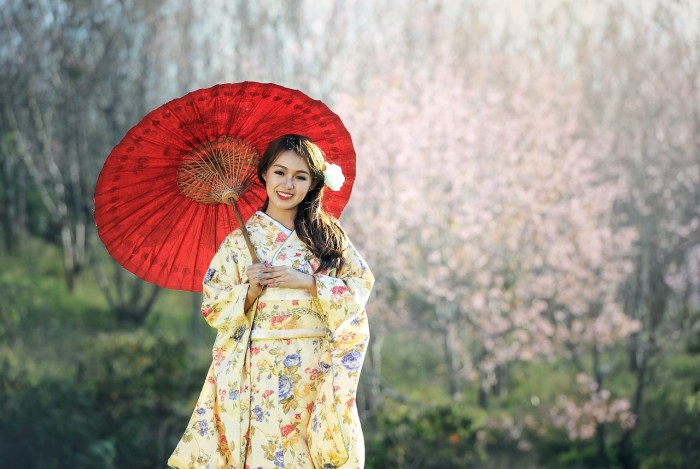
The Japanese zester aesthetic, deeply rooted in tradition, prioritizes the beauty and functionality of materials and the meticulous craftsmanship that transforms them into art. This meticulous attention to detail, passed down through generations, is a cornerstone of the aesthetic, influencing not just the appearance but also the very soul of the objects created. From the delicate paper to the polished wood, each material is chosen for its inherent qualities, and the final product reflects the skill and dedication of the artisan.The inherent qualities of the materials are paramount, and the methods used to work them are as important as the materials themselves.
The careful selection of wood, the precise application of lacquer, the subtle artistry of paper crafting, all combine to create a unique and enduring aesthetic. The use of traditional techniques underscores the respect for the past and the dedication to excellence.
Common Materials
The selection of materials in Japanese zester aesthetic often emphasizes natural and sustainable resources. Wood, bamboo, paper, lacquer, and metal are frequently employed, each with specific properties that contribute to the overall aesthetic. For instance, the warm, natural tones of polished cherry wood evoke a sense of serenity, while the subtle sheen of lacquered surfaces creates an air of sophistication.
Paper, in its various forms, can be used for delicate screens, intricate folding, or as a support for delicate calligraphy or painting.
- Wood: Species like cherry, maple, and cedar are prized for their beauty, strength, and subtle grain patterns. The wood’s natural color and texture often form the basis of the design. Each piece of wood is carefully selected and prepared to ensure optimal quality and aesthetic appeal.
- Bamboo: Known for its strength and versatility, bamboo is employed in furniture, screens, and decorative elements. The natural striations of the bamboo contribute to a visually appealing aesthetic. Different types of bamboo are used to achieve varying levels of strength and texture, allowing for adaptability in design.
- Paper: Japanese paper, or washi, is crafted from natural fibers and is known for its strength, translucency, and unique texture. The inherent properties of washi paper allow for intricate folding techniques and exquisite calligraphy or artwork.
- Lacquer: A traditional Japanese resin, lacquer, is used to create a protective and decorative finish. The layers of lacquer are meticulously applied and polished to create a smooth, lustrous surface. The application of lacquer is a testament to the skill of the artisan.
- Metal: Metals like brass, copper, and bronze are used for accents and hardware, often incorporating traditional Japanese motifs.
Craftsmanship and Attention to Detail
Exceptional craftsmanship is integral to the Japanese zester aesthetic. It’s not just about the materials; it’s about the meticulous process of transforming raw materials into beautiful and functional objects. The focus on precision, harmony, and the balance of elements create objects that are not only visually appealing but also imbued with a sense of history and cultural significance.
- Precision: Traditional Japanese techniques emphasize precision in every step, from the selection of materials to the final polishing. The aim is to create objects that are not only beautiful but also perfectly balanced and harmonious.
- Attention to Detail: Every element, no matter how small, is meticulously considered. This attention to detail is what elevates the craft from mere practicality to artistry. The level of detail is evident in the fine lines, the delicate curves, and the intricate patterns of the finished product.
- Respect for Tradition: Traditional Japanese techniques are passed down through generations, ensuring that the unique qualities and craftsmanship of each object remain consistent. This continuity connects the present to the past, upholding the rich heritage of Japanese aesthetics.
Comparison of Aesthetics
| Aesthetic | Materials | Craftsmanship | Example |
|---|---|---|---|
| Japanese Zester | Wood, bamboo, paper, lacquer, metal | Meticulous precision, attention to detail, respect for tradition | Traditional tea ceremony utensils, furniture, screens |
| Modern Minimalist | Glass, steel, concrete | Clean lines, simplicity, functionality | Modern furniture, architectural designs |
| Rustic Farmhouse | Wood, stone, natural fibers | Warmth, natural textures, functionality | Cabin furniture, home decor |
Symbolism and Imagery
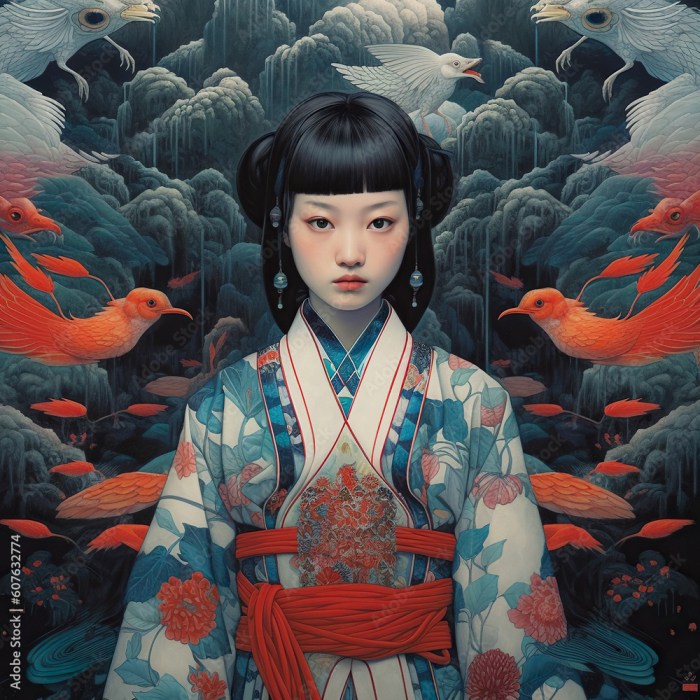
The Japanese zester aesthetic, deeply rooted in tradition, utilizes a rich tapestry of symbols and imagery to convey specific cultural values and emotions. These visual cues, often subtle yet powerful, contribute to the overall atmosphere and meaning of the aesthetic. Understanding these symbols provides insight into the aesthetic’s profound connection to Japanese history and philosophy.The symbolism within the Japanese zester aesthetic is multifaceted, encompassing concepts of harmony, balance, nature, and spirituality.
These elements are not merely decorative; they are imbued with meaning, often drawing on centuries-old philosophical and artistic traditions. The aesthetic’s visual language, therefore, goes beyond mere aesthetics, offering a window into the Japanese worldview.
Recurring Symbols and Imagery
The Japanese zester aesthetic frequently incorporates symbols that resonate with traditional Japanese values. These symbols often appear in varying forms and contexts, each contributing to the overall meaning and atmosphere.
- Nature motifs: Elements of nature, such as bamboo, cherry blossoms, and water, are prevalent. Bamboo symbolizes strength and flexibility, reflecting the resilience of the Japanese spirit. Cherry blossoms represent the ephemeral beauty of life and the passage of time. Water signifies purity and tranquility, mirroring the importance of harmony with the natural world. These motifs are often depicted in minimalist, stylized forms, enhancing their aesthetic appeal.
- Geometric patterns: Intricate geometric patterns, often inspired by natural forms, are integral to the aesthetic. These patterns represent order and balance, echoing the pursuit of harmony in Japanese aesthetics. The patterns may appear in textiles, ceramics, or even architectural designs, showcasing their versatile application.
- Minimalism: The zester aesthetic embraces minimalism, highlighting the beauty in simplicity. This reflects the Japanese emphasis on appreciating the essential aspects of life, rather than elaborate displays of wealth or ornamentation. This principle of less is more is often seen in the design of objects and spaces.
Symbolism of the Zester Aesthetic
The zester aesthetic, through its imagery and symbols, offers a glimpse into the Japanese worldview. The use of these elements is not arbitrary; rather, it carries a profound meaning, connecting to cultural values and historical contexts.
| Symbol/Imagery | Symbolism | Examples |
|---|---|---|
| Bamboo | Strength, flexibility, resilience, harmony with nature | A minimalist bamboo pattern on a teacup, a bamboo-inspired design element in a garden, or a small sculpture of a bamboo stalk. |
| Cherry Blossoms | Ephemeral beauty, the passage of time, transience of life, renewal | A print featuring delicate cherry blossom branches, a wall mural depicting a cherry blossom grove, or a small, ceramic vase containing a cherry blossom motif. |
| Water | Purity, tranquility, harmony with nature, fluidity | A ceramic bowl with a flowing water pattern, a painting of a serene waterfall, or a design element incorporating flowing water lines. |
| Geometric Patterns | Order, balance, harmony, interconnectedness | A repeating geometric pattern on a fabric, a geometric design element in a traditional Japanese house, or a tile pattern inspired by natural forms. |
Modern Interpretations
The Japanese zester aesthetic, deeply rooted in tradition, is undergoing a fascinating metamorphosis in modern contexts. Contemporary designers are not merely replicating historical forms; instead, they are adapting core principles to create fresh, relevant expressions. This evolution reflects a nuanced understanding of the aesthetic’s enduring appeal while simultaneously pushing its boundaries into new territories. This reinterpretation bridges the gap between the past and the present, ensuring the aesthetic’s continued relevance in a rapidly changing world.
Contemporary Adaptations
Contemporary designers are leveraging the principles of the Japanese zester aesthetic to craft modern designs. This involves a nuanced understanding of the core principles—simplicity, natural materials, and a focus on functionality—while incorporating contemporary sensibilities. This approach often results in pieces that are both aesthetically pleasing and practically useful in modern settings. Key aspects of this adaptation include the integration of new materials, the exploration of innovative forms, and the incorporation of technology.
Examples of Contemporary Applications
The Japanese zester aesthetic is finding expression in various contemporary applications. In interior design, this aesthetic translates into minimalist spaces featuring natural materials like bamboo and wood, combined with sleek, modern furnishings. This approach fosters a calming atmosphere, a key element of the traditional Japanese zester aesthetic. Furthermore, in fashion, designers are using the aesthetic’s focus on natural materials and clean lines to create contemporary garments.
These garments are characterized by their comfort and refined simplicity. In product design, this aesthetic is evident in the design of electronic devices. The devices are designed to be functional and visually appealing, utilizing materials like polished aluminum and smooth curves, highlighting the minimalist aesthetic.
Adaptability Comparison
| Aspect | Traditional Japanese Zester Aesthetic | Modern Interpretation |
|---|---|---|
| Materials | Primarily natural materials like wood, bamboo, and silk. | Combination of natural and modern materials, such as reclaimed wood, polished metal, and sustainable synthetics. |
| Form | Often organic, flowing lines, emphasizing natural shapes. | Fusion of organic and geometric forms, creating a sense of balance between nature and structure. |
| Color Palette | Earthy tones, muted colors, often inspired by nature. | Combination of muted colors with pops of bolder, contemporary hues, creating visual interest. |
| Functionality | Emphasis on practicality and utility. | Integration of advanced technology and functionality into the design. |
| Symbolism | Strong connection to nature, spirituality, and tranquility. | Continued focus on the same core values but with contemporary interpretations and applications. |
“The modern interpretation of the Japanese zester aesthetic acknowledges the importance of its historical roots while embracing the possibilities of contemporary design. This allows for the continued relevance and impact of this aesthetic in the modern world.”
Contrasting Elements
The Japanese zester aesthetic, characterized by its minimalist elegance and natural materials, stands in stark contrast to many other design philosophies. While drawing inspiration from traditional Japanese aesthetics, it distinguishes itself through a unique blend of modern sensibilities and a focus on sensory experiences. This divergence allows the aesthetic to resonate with contemporary audiences while retaining its profound cultural roots.
Comparison with Other Aesthetics
The Japanese zester aesthetic contrasts with other styles by prioritizing a delicate balance of form and function, emphasizing natural materials, and emphasizing understated elegance over ostentatious displays. This contrasts with the opulent grandeur of Baroque design or the bold geometric patterns of Art Deco. It diverges from the vibrant color palettes and exuberant ornamentation often found in contemporary maximalist designs.
This focus on restraint and natural beauty sets it apart, creating a distinct visual language.
Distinguishing Elements
Several key elements set the Japanese zester aesthetic apart. These include a profound appreciation for the natural world, the utilization of minimalist forms, a focus on craftsmanship, and a deep respect for the material’s inherent qualities. This holistic approach to design, prioritizing both aesthetics and functionality, differentiates it from styles that may prioritize one over the other.
Examples Demonstrating Contrasting Elements
A striking example of the Japanese zester aesthetic’s contrast is seen in its juxtaposition with the maximalist interior design styles. The zester aesthetic often uses subdued colors and simple shapes, avoiding the abundance of textures and patterns that define maximalism. Furthermore, the Japanese zester aesthetic prioritizes natural materials like wood and stone, while maximalist designs often feature synthetic materials and vibrant colors.
Similarly, compared to industrial design, the zester aesthetic’s focus on natural materials and handcrafted elements creates a warm and inviting ambiance, contrasting sharply with the often cold and sterile aesthetic of industrial design.
Table of Unique Elements
| Element | Description | Contrast with Other Aesthetics |
|---|---|---|
| Natural Materials | Emphasizes the inherent beauty and texture of natural materials like wood, stone, and bamboo. | Contrasts with aesthetics heavily reliant on synthetic materials or bold, manufactured textures. |
| Minimalist Forms | Focuses on clean lines, simple shapes, and uncluttered spaces. | Contrasts with styles that prioritize complex forms, intricate patterns, and excessive ornamentation. |
| Handcrafted Craftsmanship | Prioritizes the skill and artistry of the craftsman in the creation of each piece. | Contrasts with mass-produced, industrialized designs that prioritize efficiency over artistic expression. |
| Sensory Experience | Seeks to evoke a sense of tranquility and connection with nature through the use of natural light, textures, and aromas. | Contrasts with aesthetics that prioritize visual stimulation or the creation of a stark, sterile environment. |
Inspiration and Inspiration Sources
The Japanese zester aesthetic, with its emphasis on minimalism, natural forms, and a deep connection to tradition, draws inspiration from a rich tapestry of sources. This exploration delves into the objects, places, and works of art that have shaped this unique aesthetic, highlighting the specific elements that resonate with its core principles. Understanding these inspirations provides crucial context for appreciating the nuanced beauty and enduring appeal of the Japanese zester aesthetic.
Key Inspirations from Nature
The natural world serves as a primary wellspring for the Japanese zester aesthetic. The delicate balance of nature, the interplay of light and shadow, and the subtle transitions of color in landscapes all find their echo in the aesthetic’s design. Consider the serene beauty of a Japanese garden, with its meticulously crafted stone arrangements, moss-covered rocks, and carefully pruned trees.
The essence of simplicity and harmony found in these gardens directly informs the aesthetic’s design principles. The interplay of light and shadow, and the subtle transitions of color in these gardens, are meticulously replicated in the aesthetics of design and craftsmanship. The stark beauty of a mountain vista, with its towering peaks and surrounding greenery, can be interpreted as a visual representation of strength, serenity, and a deep connection to the earth, resonating strongly with the zester aesthetic’s emphasis on natural forms and understated elegance.
Inspirational Works of Art and Design
Japanese art, particularly from the Edo and Meiji periods, offers a profound source of inspiration. The intricate woodblock prints of artists like Hiroshige and Hokusai, renowned for their mastery of perspective and composition, often depict landscapes and scenes of daily life with a serene and melancholic tone. These prints showcase a deep appreciation for nature’s beauty and a unique approach to depicting human experiences within a natural context, elements that are integral to the zester aesthetic.
The meticulous attention to detail in these works, including the subtle gradations of color and the precise depiction of textures, further underscores the aesthetic’s commitment to artistry and precision. The delicate lines and carefully composed compositions of traditional Japanese calligraphy and ink painting also serve as a powerful source of inspiration, showcasing the aesthetic’s focus on minimalism, elegance, and the beauty of restraint.
Comparing Inspirations Across Eras and Cultures
| Era/Culture | Inspiration Source | Key Inspiring Elements |
|---|---|---|
| Traditional Japanese (Edo period) | Landscapes, everyday life, woodblock prints | Harmony with nature, subtle colors, minimalism, craftsmanship |
| Contemporary Japanese Design | Minimalist architecture, natural materials, technological advancements | Simplicity, functionality, elegance, integration with environment |
| Chinese Landscape Painting | Mountains, rivers, forests | Balance, serenity, depth, natural forms |
| Korean Ceramics | Geometric shapes, natural glazes | Precision, balance, simplicity, cultural heritage |
This table demonstrates the diverse range of influences shaping the Japanese zester aesthetic, highlighting the enduring appeal of natural forms and cultural traditions. The shared values across different eras and cultures suggest that the aesthetic’s core principles are deeply rooted in universal human experiences and aspirations. The table highlights how elements from various eras and cultures converge to create the distinct characteristics of the zester aesthetic.
Last Recap
In conclusion, the Japanese zester aesthetic represents a powerful fusion of traditional artistry and contemporary design sensibilities. Its emphasis on natural elements, meticulous craftsmanship, and thoughtful spatial arrangements creates a truly unique and engaging experience. From interiors to fashion and beyond, the zester aesthetic’s enduring appeal lies in its ability to cultivate a sense of tranquility and evoke a deep connection with nature.
Its adaptability to modern contexts ensures its continued relevance in the design world.
